Dental care has evolved far beyond simply fixing teeth. Today, patients increasingly value comfort, communication, and personalized care as much as clinical results. This shift toward comfort-driven dentistry is influencing how people choose treatments, select providers, and approach their oral health overall. Modern dental practices recognize that when patients feel relaxed, informed, and supported, they are more likely to maintain consistent dental visits and make proactive oral health decisions.
This growing emphasis on patient experience reflects advances in dental technology, improved pain management techniques, and a stronger focus on emotional comfort during treatment.
How Dentistry Has Shifted Toward Patient Comfort
Traditional dentistry often focused primarily on technical outcomes. While clinical excellence remains essential, today’s dental care integrates patient comfort as a central priority.
This shift has been influenced by:
- Advances in minimally invasive techniques
- Improved anesthetic options
- Enhanced communication between dentists and patients
- Better understanding of dental anxiety
- Modern clinic environments designed for relaxation
These changes help patients feel more confident about seeking regular care rather than postponing visits due to fear or discomfort.
The Role of Technology in Enhancing Comfort
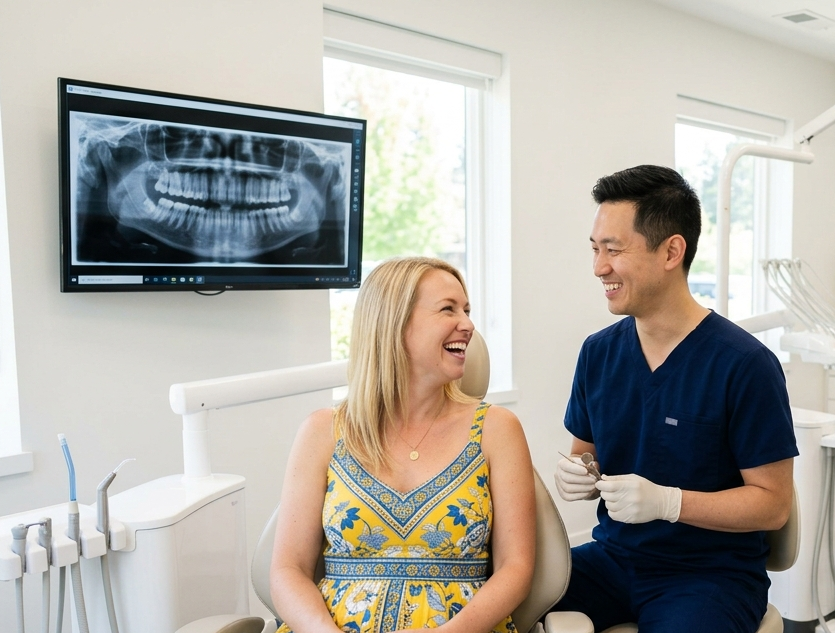
Technology has dramatically improved both treatment precision and patient comfort. Digital imaging, quieter instruments, and faster procedures reduce stress while improving outcomes.
Key technological benefits include:
- Faster diagnostic imaging with less radiation exposure
- More accurate treatment planning
- Reduced procedure time
- Less invasive restorative options
- Improved post-treatment recovery experiences
At Urban Dental Bensalem, PA, modern dental tools are used not only for clinical accuracy but also to create a smoother, more comfortable patient experience.
Communication Is Becoming Just as Important as Treatment
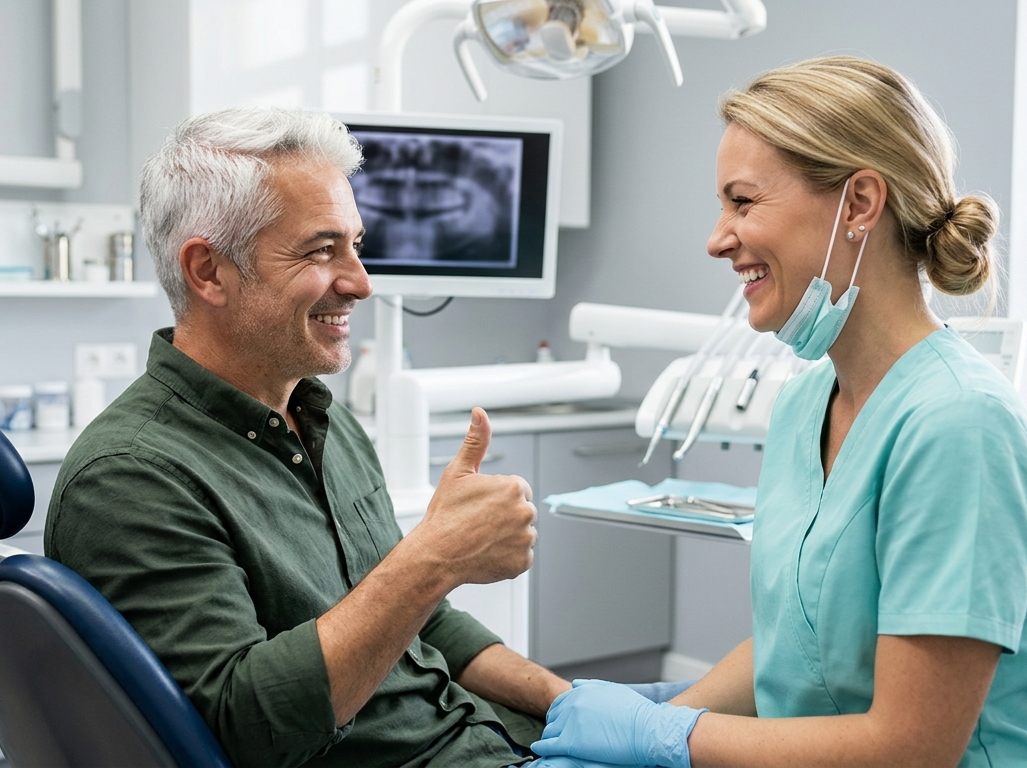
Patients today expect clear explanations, transparency, and involvement in treatment decisions. When people understand their options, they feel more confident about proceeding with care.
Effective communication often includes:
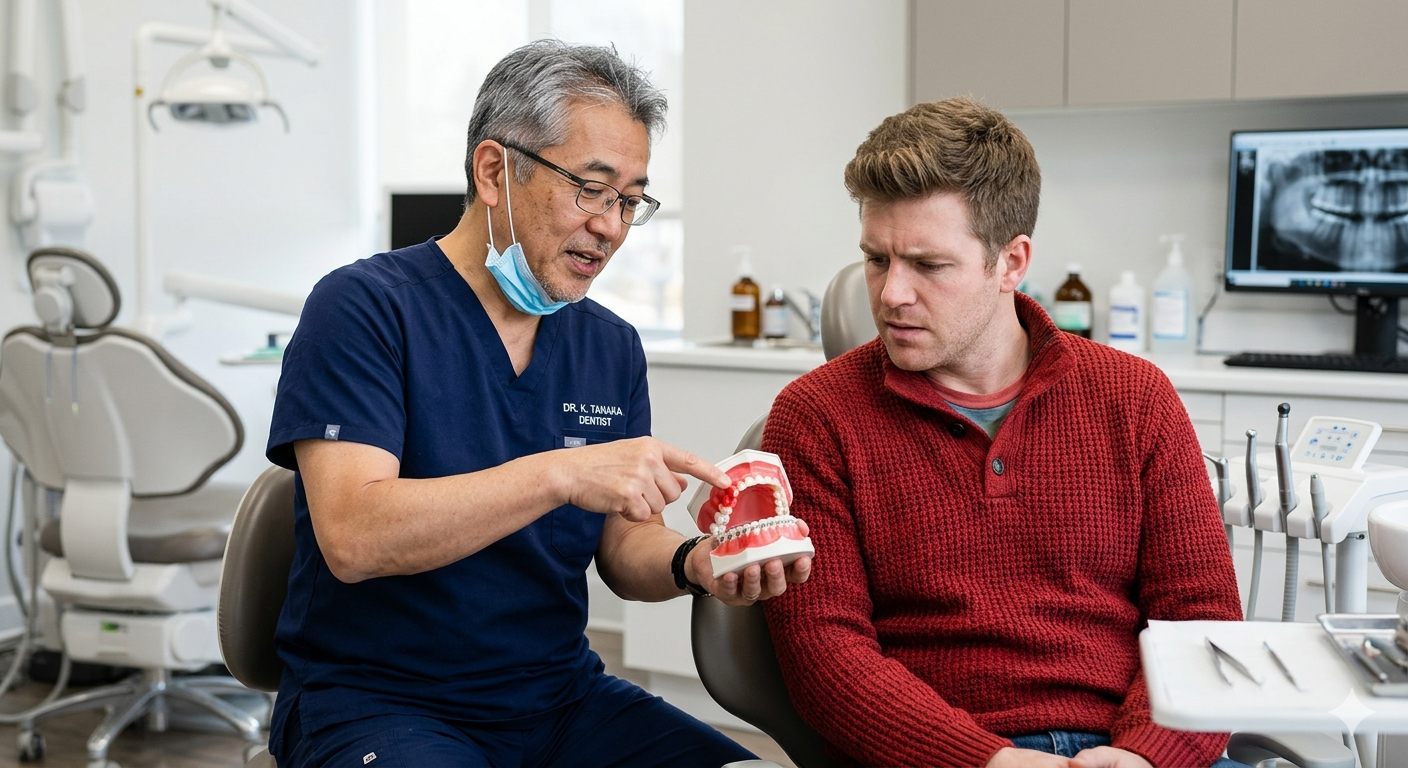
- Explaining procedures step-by-step
- Discussing alternative treatment options
- Setting realistic expectations
- Addressing patient concerns openly
- Providing detailed aftercare guidance
This approach strengthens trust and encourages long-term patient relationships.
Anxiety Awareness Is Transforming Dental Visits
Dental anxiety remains one of the most common reasons patients delay care. However, increased awareness has led dental professionals to adopt strategies specifically designed to reduce fear.
Supportive approaches may involve:
- Gentle pacing during procedures
- Calming office environments
- Patient-controlled breaks during treatment
- Clear reassurance throughout visits
- Compassionate, non-judgmental communication
Patients who feel emotionally supported are more likely to maintain regular oral health care routines.
Comfort Influences Treatment Decisions More Than Ever
Patients increasingly consider comfort when deciding between treatment options. For example, minimally invasive procedures, shorter recovery times, and predictable outcomes often influence choices.
Factors patients commonly evaluate include:
- Expected comfort during procedures
- Recovery time
- Long-term convenience
- Maintenance requirements
- Overall treatment experience
This patient-centered perspective is reshaping how dentistry is practiced and delivered.
Preventive Care Benefits from Positive Experiences
Comfort-driven dentistry also encourages preventive care. When patients have positive dental experiences, they are more likely to return for routine checkups, cleanings, and early intervention treatments.
Preventive benefits include:
- Reduced risk of advanced dental issues
- Earlier detection of oral concerns
- More conservative treatment options
- Lower long-term dental costs
- Better overall oral health stability
Positive experiences help build lifelong healthy dental habits.
The Importance of Personalized Treatment Planning
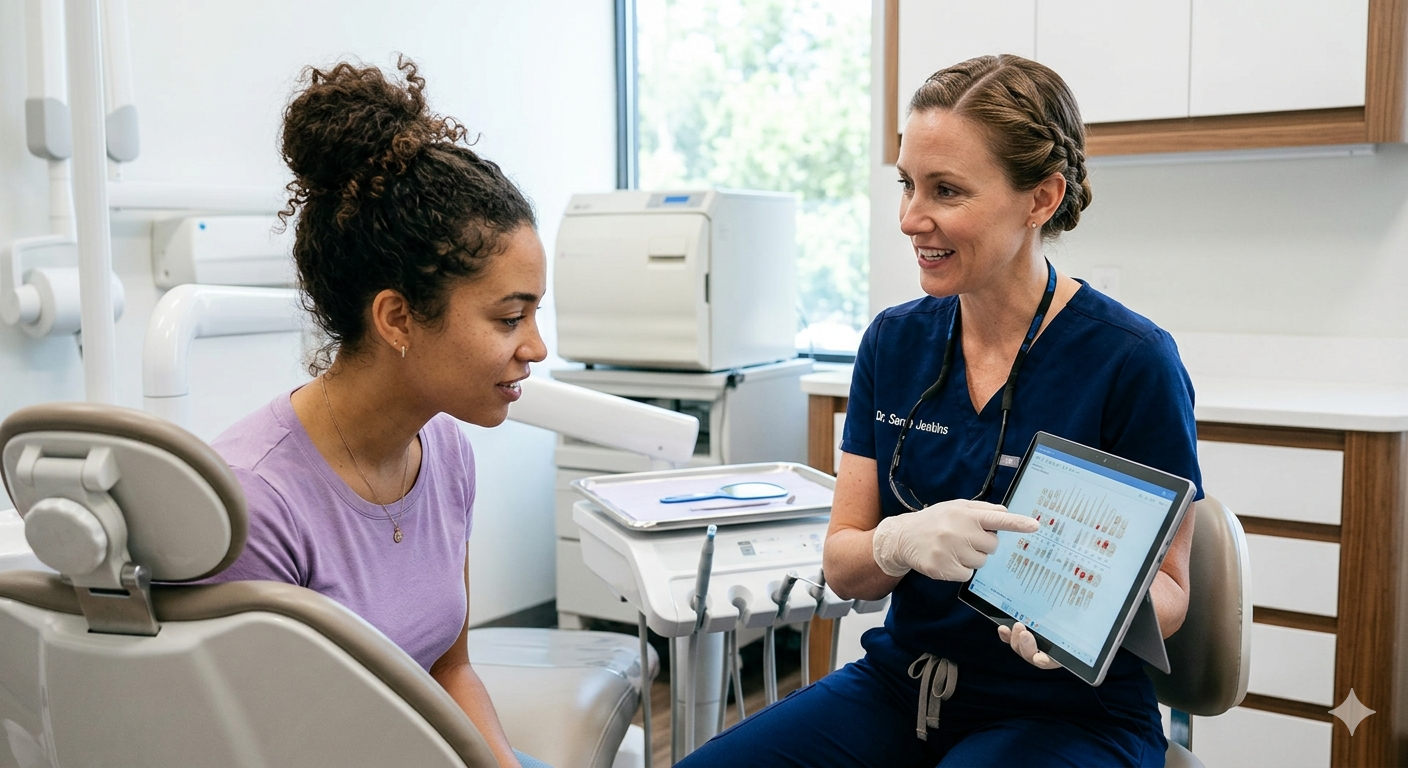
No two patients have identical needs or comfort preferences. Personalized care ensures treatments align with individual goals, health conditions, and lifestyle factors.
Customized care may consider:
- Medical and dental history
- Sensitivity levels or anxiety concerns
- Scheduling flexibility
- Long-term oral health goals
- Aesthetic preferences
This individualized approach improves both satisfaction and clinical outcomes.
Accessible Dental Care Supports Consistency
Convenient access to dental care also contributes to comfort-driven dentistry. When patients can easily schedule appointments and reach their dental provider, they are more likely to maintain regular care.
Urban Dental is located at 1338 Bristol Pike, Bensalem, PA 19020, providing comprehensive dental services for patients in surrounding communities including:
- Andalusia, PA 19020
- Bristol, PA 19007
- Cornwells Heights 19020
- Eddington, PA 19020
- Levittown, PA (19056, 19057)
Proximity helps patients stay consistent with preventive care and follow-up visits.
Comfort Dentistry Supports Long-Term Oral Health
Comfort-focused dental care is not simply about relaxation-it directly contributes to better oral health outcomes. Patients who feel comfortable tend to seek care earlier, follow aftercare instructions more closely, and maintain stronger relationships with their dental providers.
Long-term advantages often include:
- Healthier gums and teeth
- Reduced dental emergencies
- Greater treatment satisfaction
- Improved overall well-being
- Enhanced confidence in oral health decisions
These benefits reinforce the importance of patient-centered dental experiences.
The Future of Dentistry Is Experience-Focused
Dentistry continues to evolve toward a holistic approach that considers both clinical excellence and patient comfort. Advances in technology, communication strategies, and preventive care models are shaping the future of dental treatment.
Patients increasingly expect:
- Transparent communication
- Comfortable treatment environments
- Efficient appointment experiences
- Personalized care plans
- Long-term wellness focus
Practices that embrace these priorities help patients feel supported and empowered.
A Patient-First Approach Makes a Lasting Difference
Comfort-driven dentistry reflects a broader shift in healthcare toward empathy, personalization, and proactive wellness. When patients feel comfortable, informed, and respected, they are more likely to prioritize their oral health consistently. This leads to earlier intervention, better treatment outcomes, and reduced long-term complications.
By combining modern technology, compassionate communication, and individualized care strategies, Urban Dental in Bensalem, PA creates experiences that support both physical health and emotional well-being. Patients benefit not only from healthier smiles but also from greater confidence and peace of mind throughout their dental care journey.
FAQs
1. What is comfort-driven dentistry?
It focuses on patient comfort, communication, and positive treatment experiences alongside clinical care.
2. Does comfortable dentistry mean less effective treatment?
No, modern comfort-focused approaches often improve both experience and outcomes.
3. Can dental anxiety really be reduced today?
Yes, modern techniques and supportive communication significantly reduce anxiety.
4. Why do patients consider comfort when choosing treatment?
Comfort influences confidence, recovery, and willingness to maintain regular care.
5. How can I improve my dental visit experience?
Choose a dentist who prioritizes communication, technology, and personalized care.