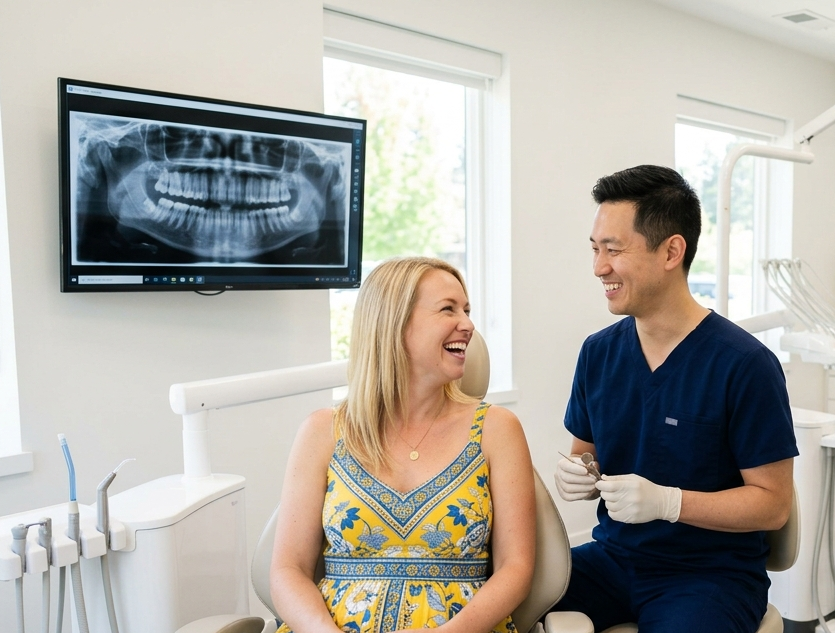
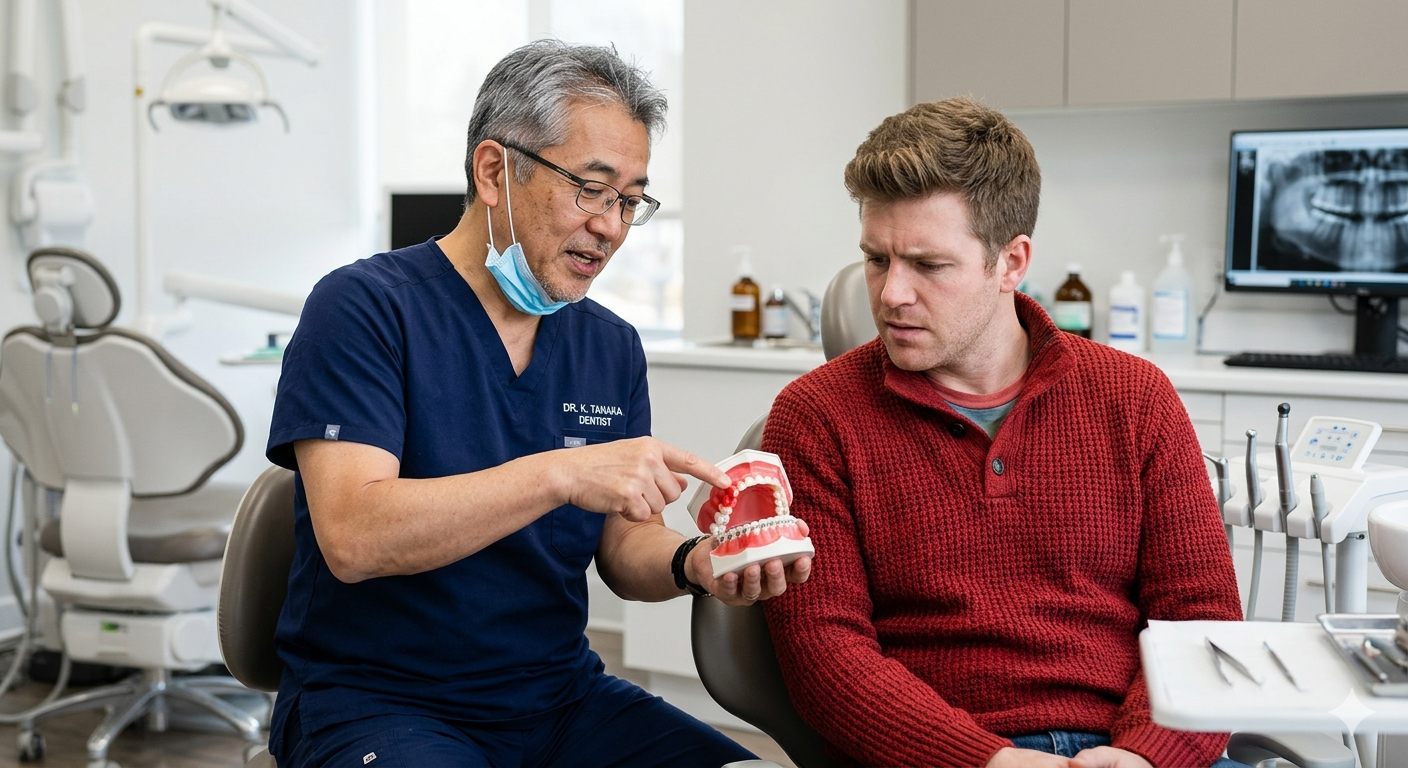
The idea of oral surgery can feel intimidating, even when the procedure is considered routine. For many patients, uncertainty is what creates the most anxiety – not knowing what will happen, how long it will take, or what recovery will feel like. However, most oral surgery procedures today are carefully planned, highly controlled, and focused on patient comfort at every step.
Understanding the process in advance can make a significant difference. When patients know what to expect, they often feel more relaxed, more confident, and better prepared both physically and mentally.
Why Oral Surgery Is Sometimes Necessary
Oral surgery is typically recommended when a dental issue cannot be resolved through basic or non-invasive treatments. While the word “surgery” may sound complex, many procedures are straightforward and designed to prevent further complications. Common reasons include removing problematic teeth, treating infections, or preparing the mouth for restorative treatments.
Rather than being a last resort, oral surgery is often a proactive step. Addressing issues early helps protect surrounding teeth, maintain oral structure, and reduce the likelihood of more extensive procedures in the future. With modern techniques and careful planning, these treatments are performed with precision and efficiency.
What Happens Before the Procedure
Preparation begins well before the actual procedure. A detailed evaluation allows the dentist to understand your specific condition and plan treatment accordingly.
Before oral surgery, patients can expect:
- A thorough dental examination
- Digital imaging to assess the area
- Discussion of treatment options
- Review of medical history
- Clear instructions for the day of the procedure
Patients searching for the best dentist near me often value this level of preparation, as it helps them feel informed and involved in the process.
The Day of the Procedure: Step-by-Step Experience
On the day of the procedure, the focus is on comfort, precision, and efficiency. Once you arrive, the dental team ensures you are at ease before beginning. Local anesthesia is typically administered to numb the area, ensuring that the procedure itself is not painful. In some cases, additional comfort measures may be used depending on the treatment plan.
The procedure is then carried out using precise techniques designed to minimize disruption to surrounding tissues. Dentists work carefully to complete the treatment efficiently while maintaining a controlled and calm environment. Most procedures are completed within a relatively short time frame, and patients are guided through each step to reduce uncertainty.
Common Types of Minor Oral Surgery
Oral surgery can involve a variety of procedures depending on the patient’s needs. Many of these are considered routine and are performed regularly.
Common procedures include:
- Tooth extractions for severely damaged teeth
- Wisdom tooth removal
- Treatment of localized infections
- Minor gum procedures
- Preparatory work for restorative treatments
Patients looking for oral surgery in Bensalem PA often undergo these procedures as part of a broader plan to improve long-term oral health.
Comfort During the Procedure
One of the most common concerns patients have is whether the procedure will be painful. Modern dentistry has significantly improved patient comfort through effective anesthesia and refined techniques. During the procedure, patients typically feel pressure or movement but not pain.
The dental team also focuses on creating a calm environment, checking in with patients throughout the process and adjusting as needed. This attention to comfort helps reduce anxiety and ensures that patients feel supported from beginning to end.
What to Expect Immediately After Surgery
Recovery begins as soon as the procedure is completed. Patients are given clear instructions to help manage healing and avoid complications.
Immediately after surgery, you may experience:
- Mild swelling in the treated area
- Temporary numbness
- Slight discomfort as anesthesia wears off
- Sensitivity when eating or drinking
Helpful post-care steps include:
- Resting for the remainder of the day
- Using cold compresses if recommended
- Following dietary guidelines
- Avoiding strenuous activity initially
- Taking prescribed or recommended medications
Following these steps supports a smoother recovery process.
Recovery Timeline and Healing Process
Healing after oral surgery varies depending on the procedure, but most patients begin to feel better within a few days. The body’s natural healing process works to repair the treated area, and following aftercare instructions plays a key role in recovery.
During this time, it is important to maintain gentle oral hygiene while avoiding irritation to the surgical site. Gradual improvement in comfort is expected, and any unusual symptoms should be reported to your dentist. With proper care, healing is typically predictable and manageable.
Tips to Feel More Prepared Before Surgery
Preparation can significantly reduce anxiety and help patients feel more in control of the experience.
Helpful tips include:
- Asking questions during your consultation
- Understanding the procedure and recovery expectations
- Arranging transportation if needed
- Preparing soft foods in advance
- Planning time to rest after the procedure
Patients often find that being informed and organized makes the experience much less stressful.
Choosing the Right Dental Provider Matters
The experience of oral surgery is greatly influenced by the dental team providing care. A supportive, experienced provider helps patients feel more comfortable, informed, and confident throughout the process. Clear communication, careful planning, and a focus on patient comfort all contribute to a positive experience.
At Urban Dental, Bensalem PA, located at 1338 Bristol Pike, Bensalem, PA 19020, patients receive personalized care designed to make procedures as smooth and comfortable as possible. The practice serves nearby communities including Andalusia, Bristol, Cornwells Heights, Eddington, and Levittown, offering accessible care for families in the area. Many individuals searching for a top-rated dentist near me prioritize both expertise and patient-focused care when making their decision.
A Calm Approach Makes a Big Difference
Oral surgery does not have to be a stressful experience. With the right preparation, clear communication, and a supportive dental team, patients can approach treatment with greater confidence. Understanding what happens before, during, and after the procedure helps reduce uncertainty and allows patients to focus on recovery rather than worry.
Taking a proactive approach – asking questions, following instructions, and maintaining regular dental visits – makes the entire process more manageable. When patients feel informed and supported, oral surgery becomes less about fear and more about improving long-term oral health. With modern techniques and patient-centered care, most procedures are far more comfortable and predictable than many people expect.
FAQs
1. Is oral surgery painful during the procedure?
No, local anesthesia is used to numb the area, so patients typically feel pressure but not pain during the procedure.
2. How long does it take to recover from oral surgery?
Most patients begin to feel better within a few days, although complete healing may take longer depending on the procedure.
3. What should I eat after oral surgery?
Soft foods such as yogurt, soups, and mashed items are usually recommended to avoid irritation during healing.
4. When can I return to normal activities?
Most patients can resume light activities within a day or two, but strenuous activity should be avoided initially.
5. How can I reduce anxiety before oral surgery?
Understanding the procedure, asking questions, and preparing in advance can help reduce stress and improve confidence.