Introduction
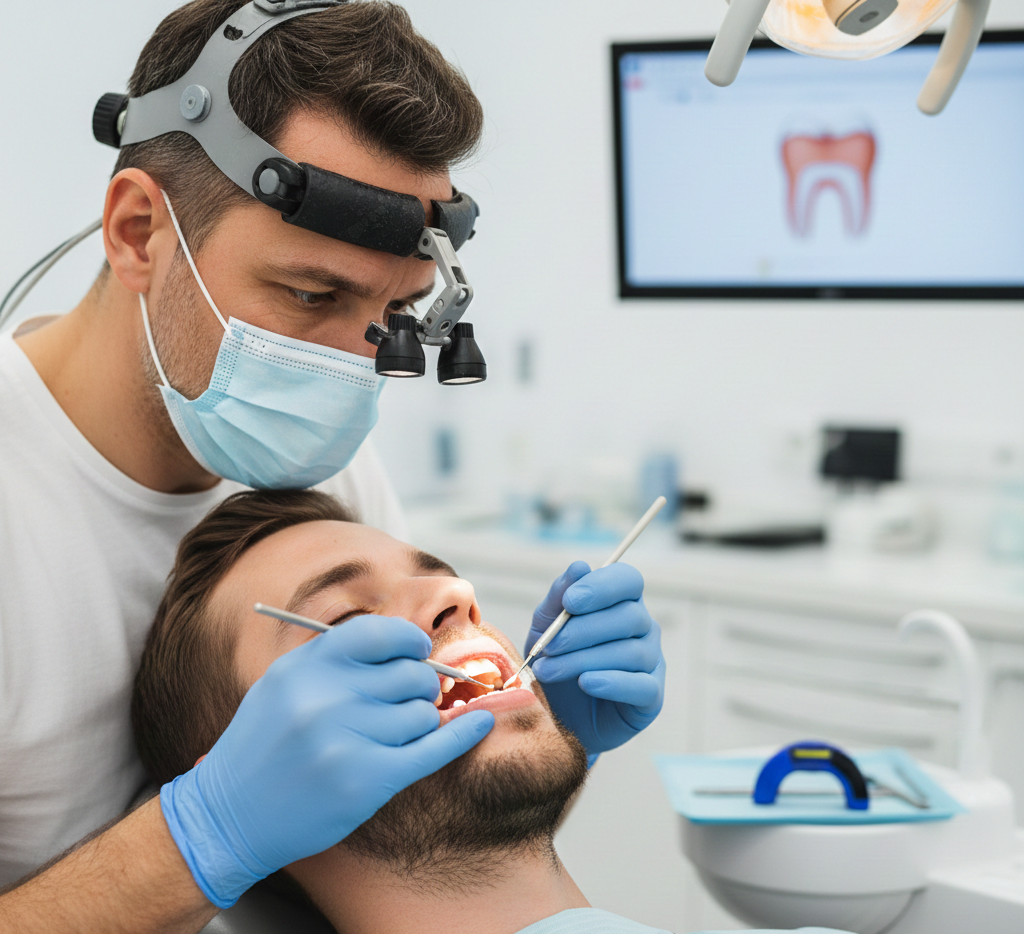
Whether it’s your child sprinting across the soccer field, your teen diving for a layup, or you tackling a weekend basketball game, sports bring energy, fun – and risk. Often overlooked? The mouth – especially when collisions, falls or direct impacts occur. At Urban Dental & Braces in Bensalem (PA 19020), we see the effects of sports-related dental injuries first-hand. The good news: with awareness, prevention, and quick action, many of these injuries are avoidable. Let’s dive into how common they are, why they happen, and how you and your family can protect those smiles.
What Qualifies As A Sports-Related Dental Injury?
When we say “dental injury,” we’re talking more than a loose tooth. Some common categories include:
- Teeth damage: chips, cracks, fractures, knocked-out teeth (avulsion)
- Soft-tissue trauma: lacerations or bruises to lips, cheeks, gums, tongue
- Jaw/mouth injuries: fractured or dislocated jaws, TMJ issues from impact
In essence: anything from a small crack in a front tooth from a baseball to a displaced jaw after a fall will count – and it happens often.
How Common Are These Injuries?
Sports-related dental trauma is more common than many realize. Research suggests a large percentage of dental injuries happen during athletic activity. For example:
- A significant portion of dental trauma in children and teens is sports-linked.
- Athletes without mouthguards are far more likely to sustain dental injury than those who wear them.
- Adults, playing recreationally or in amateur leagues, also face risk – especially when protections aren’t prioritized.
Sports With The Highest Dental Risk
Some sports are obvious risk-zones; others may surprise you.
Contact teams
- Football, rugby, hockey, lacrosse, martial arts – all involve high collision rates, direct hits or sticks/pucks flying fast.
High-speed non-contact
- Skateboarding, BMX biking, skiing or snowboarding – falls at speed onto hard surfaces often cause oral trauma.
Everyday & team sports
- Basketball, soccer, baseball/softball – because of fast balls, elbows, accidental falls or head contact.
Why Sports Activity Often Leads To Dental Trauma
It’s simple math: speed + motion + hard surfaces + exposed teeth = risk. But let’s break it down more:
- Impact: a falling helmet, a ball hitting your face, or a skateboarding fall can slam teeth into the jaw or surface.
- Equipment/environment: rough surfaces, sticks/pucks/balls, elbows/feet in close proximity – all create hazards.
- Mouth unprotected: many players skip mouthguards or wear poorly-fitting ones, leaving teeth exposed.
- Reflex & surprise: when impact happens quickly, athletes may clench their jaw, increasing damage.
Typical Dental Injuries In Sports
At Urban Dental we see a range of injuries, but some occur more frequently:
- Chipped or cracked teeth – minor but often ignored until pain or infection sets in.
- Knocked-out teeth (avulsion) – require immediate attention; if reimplanted quickly, the chance of saving the tooth is higher.
- Root fractures – these may be painless initially, but can lead to tooth loss if untreated.
- Soft-tissue cuts – often on lips or inside cheeks from braces or braces‐less mouth during impact.
- Jaw fractures/dislocations – especially from high-impact contact; require both dental and medical care.
Prevention: Mouthguards And Protective Gear
Prevention is where you win the game before it starts. A mouthguard is the cornerstone.
Types we recommend:
- Stock mouthguards: pre-formed, lowest cost. But often poor fit and low comfort.
- Boil-and-bite mouthguards: better fit, improved comfort, moderate cost.
- Custom mouthguards: fitted at a dental office like Urban Dental – superior protection, comfort and performance.
Why Custom Mouthguards Provided By Urban Dental Matter
Here’s why we emphasize custom guards at Urban Dental in Bensalem:
- Superior fit: much better stability, less chance to dislodge during play.
- Breathability & communication: athletes need to speak, breathe and call plays – custom guards accommodate that.
- Durability: built for high-impact use, they last longer and protect better.
- Youth and adult versions: as kids grow, fit matters; adult athletes demand performance.
What To Do Immediately After A Dental Injury
If an injury occurs during sports, minutes matter – especially for knocked-out teeth. Here’s your action plan:
- Stay calm – help the athlete sit up, control bleeding with a clean cloth.
- Locate the tooth – if knocked out, handle by the crown (not root).
- Rinse gently – use milk or saline; avoid scrubbing the root.
- Reinsert if possible – place the tooth back in the socket, hold gently or bite a cloth to keep in place.
- If not possible – store the tooth in milk or saliva.
- Seek urgent dental care – call your dentist ASAP; the sooner the better (ideally within 60 minutes).
About Urban Dental’s Location & Service Areas
Urban Dental & Braces is located at 1338 Bristol Pike, Suite 106, Bensalem, PA 19020.
They proudly serve families from:
- Bensalem (19020, 19021)
- Cornwells Heights (19007)
- Andalusia (19020)
- Eddington (19020)
- Levittown (19056, 19057)
Why this matters: you don’t have to travel far for high-quality sports dental injury care. Whether it’s after a weekend game in Bensalem or practice in Andalusia, Urban Dental is conveniently close. They combine state-of-the-art technology with warm, local service – making them a trusted choice for community families and athletes.
Treatment Options At Urban Dental For Sports Injuries
Here’s a quick overview of key services they provide when dental trauma happens:
- Dental bonding for minor chips and surface fractures
- Crowns for larger breaks that weaken the tooth
- Root canal therapy when the nerve is exposed or infected
- Re-implantation of knocked-out teeth when brought in promptly
- Soft tissue repair for cuts to lips/cheeks from braces or impact
- Jaw or TMJ evaluation and referral when necessary
How Urban Dental Helps Athletes Stay Safe Long-Term
Proactive care is key. At Urban Dental, they don’t just fix injuries – they help prevent them:
- Yearly check-ups focused on injury risk for athletes
- Custom mouthguards fitted and adjusted for kids & adults
- Education for parents, coaches and players about dental safety
- Post-injury follow-up to monitor healing and prevent complications
Because they’re local to Bensalem and the surrounding areas, they’re a resource for the whole athletic family.
Conclusion
Sports are awesome for physical health, teamwork, and fun – but they do come with risks, especially for your smile. Dental injuries from sports are more common than many realize, but many are preventable with the right gear and prompt care. Urban Dental & Braces in Bensalem brings both: top-tier prevention (custom mouthguards) and expert emergency response. Whether you’re in Bensalem, Cornwells Heights, Andalusia or Eddington, you’ve got a trusted dental partner nearby – ready to protect and restore your smile so you can keep playing your best game.
FAQs
1. Can a knocked-out tooth really be saved?
Yes – if it’s placed back in the socket or stored in milk/saliva and treated within an hour or two, you stand a much better chance of saving it.
2. How often should an athlete replace their mouthguard?
For kids: every season or when it becomes loose. Adults: every 1-2 years or after major impact.
3. Are helmets enough protection for dental injuries?
No – helmets protect the skull and brain but don’t safeguard teeth and gums from impact. A mouthguard is essential.
4. My child plays basketball but refuses a mouthguard – any tips?
Explain how it protects their smile for clips and selfies, let them pick a color/design, and get a custom fit at Urban Dental so it’s comfortable.
5. I chipped a tooth last season playing soccer – will it cause problems if I ignore it?
Yes – chipped teeth can lead to nerve damage, decay or infection over time. It’s best to have it assessed now, before complications arise.