Introduction
Bad breath (halitosis) is embarrassing, but it’s also a helpful signal from your body that something needs attention. Whether it’s a morning-only nuisance or a persistent problem, understanding the root causes helps you treat it properly – not just mask it with mints. At Urban Dental, 1338 Bristol Pike, Bensalem, PA 19020, we help patients from Bensalem (19020, 19021), Cornwells Heights (19007), Andalusia (19020), Eddington (19020) & Levittown (19056, 19057) find the real reasons behind bad breath and fix them for good. Below is a straightforward guide packed with practical tips, warning signs, and local resources.

The Most Common Causes of Bad Breath
Bad breath usually comes from bacteria. Those microbes love dark, moist places – like the back of your tongue, pockets between crowded teeth, and gum pockets caused by periodontal disease. Here are the usual suspects:
- Poor oral hygiene: Food debris left on teeth and tongue feeds bacteria, which produce foul-smelling volatile sulfur compounds (VSCs).
- Tongue coating: A white or yellowish film on the tongue is a major reservoir for odor-causing bacteria.
- Gum disease (periodontitis or gingivitis): Infected gum pockets trap bacteria and pus, creating persistent bad breath.
- Tooth decay and abscesses: Infected teeth produce strong, unpleasant odors.
- Dry mouth (xerostomia): Saliva cleanses the mouth – less saliva means more bacteria and worse breath.
- Diet & habits: Garlic, onions, coffee, and smoking add odorous compounds that linger.
- Systemic conditions: Sometimes bad breath signals medical issues like sinus infections, tonsillitis, uncontrolled diabetes, or GERD.
Understanding which category fits your case helps prioritize solutions rather than just covering up the smell.
Quick Home Checks & Immediate Fixes
Before booking an appointment, try these simple checks and fixes. They’re quick, inexpensive, and often effective:
- Flick test: Lick your wrist, let it dry, then smell it. If it smells bad, your mouth likely does too.
- Tongue look: If your tongue has a thick coating, tongue scraping twice daily can dramatically cut odors.
- Hydration & sugar-free gum: Drinking water and chewing xylitol gum stimulates saliva and clears bacteria.
- Brushing and flossing: Brush twice daily (with attention to the tongue) and floss once daily to remove trapped food.
- Saltwater rinse: Warm salt water after meals reduces bacteria and soothes irritated gums.
If these give only temporary relief, it’s time to see a dentist – persistent halitosis often hides underlying disease.
When Bad Breath Means Dental Disease
If home care doesn’t fix it, bad breath can be a sign of treatable dental problems. These should be addressed at Urban Dental, 1338 Bristol Pike:
- Periodontal disease: Smelly breath + bleeding, red or receding gums = a likely gum infection that needs professional cleaning (scaling and root planing) and follow-up.
- Untreated cavities or abscesses: These can harbor pus and bacteria; they often need fillings, root canals, or extractions.
- Poorly cleaned dental appliances: Dentures or orthodontic appliances can collect odor-causing biofilm if not cleaned properly.
Professional diagnosis lets us target the problem – for example, treating gum disease often eliminates halitosis that home care alone couldn’t solve.
Non-Dental Medical Causes – Know When to See a Doctor
Not all bad breath originates in the mouth. If dental issues are ruled out, consider medical causes:
- Sinus or post-nasal drip: Chronic sinusitis or sinus infections drip mucus into the throat, feeding bacteria and producing smell.
- Tonsilloliths (tonsil stones): Trapped debris in tonsil crevices calcifies and smells awful; ENT care can help.
- Gastrointestinal issues: GERD or chronic reflux brings stomach acids and odors up into the throat.
- Metabolic conditions: Uncontrolled diabetes, hepatic or renal problems can change breath odor noticeably.
Urban Dental will coordinate care and refer you to ENT specialists, gastroenterologists, or primary care when necessary.
Practical Treatment Steps You Can Start Today
If you have recurring bad breath, adopt this 7-point action plan:
- Brush teeth twice daily and floss once daily.
- Use a tongue scraper every morning and evening.
- Stay hydrated and reduce alcohol/caffeine which dry the mouth.
- Quit smoking – it’s one of the strongest and most persistent causes of halitosis.
- Swap odor-masking habits (mints, mouthwashes with alcohol) for therapeutic ones (chlorhexidine or cetylpyridinium-based rinses if recommended).
- Schedule a dental exam and professional cleaning at Urban Dental.
- If dental causes are excluded, pursue medical evaluation for sinus, tonsil, or GI conditions.
These steps attack both cause and symptom, giving lasting benefit rather than temporary cover-ups.
What to Expect at Your Visit to Urban Dental (Bensalem)
When you come to Urban Dental at 1338 Bristol Pike, expect a calm, thorough approach:
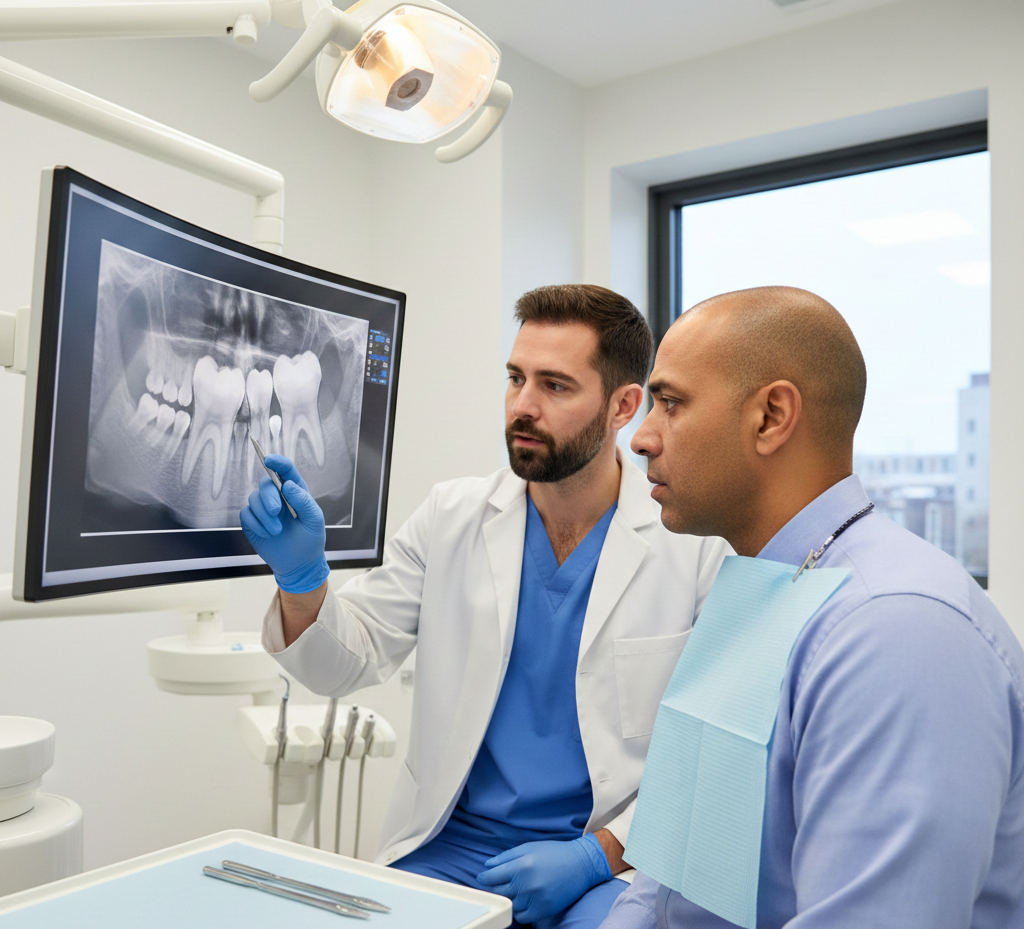
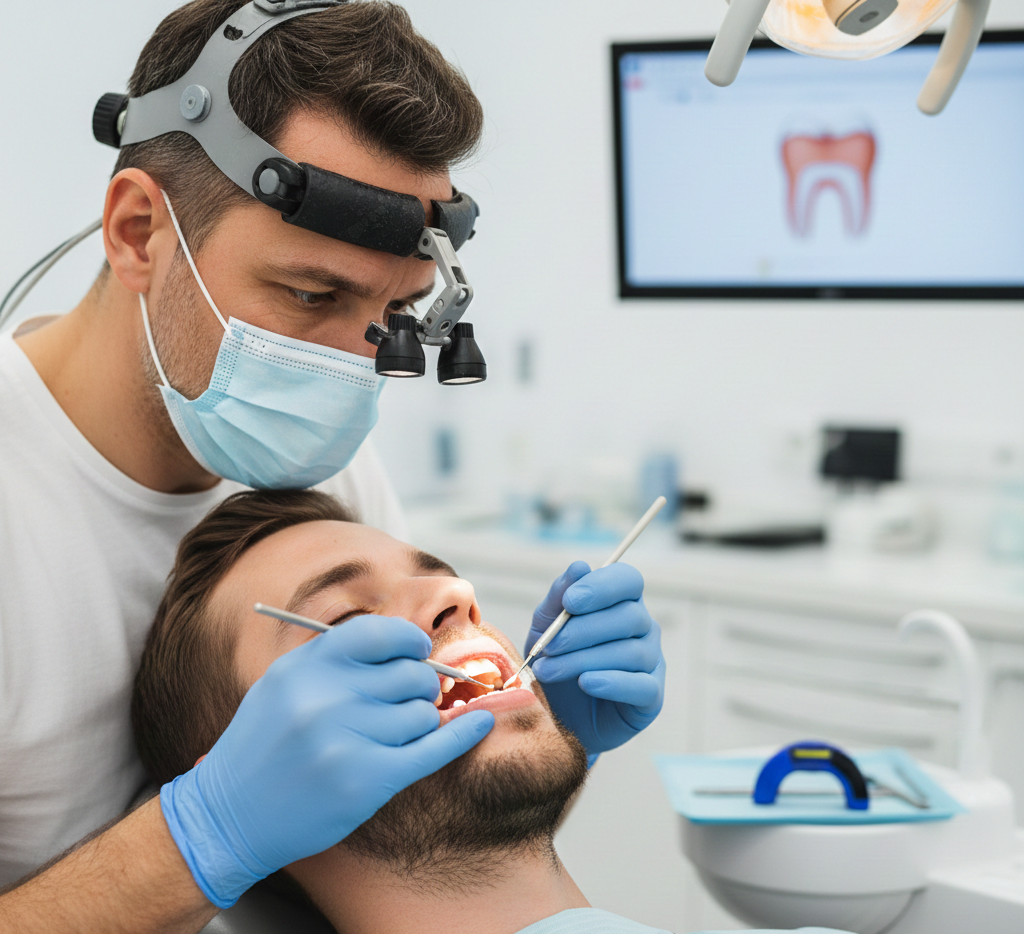
- Comprehensive exam: We’ll check teeth, gums, tongue, restorations, and oral appliances.
- Periodontal assessment: Pocket depths and bleeding points are measured to detect gum disease.
- Diagnosis & plan: If infections or decay are found, we’ll outline treatment (cleaning, fillings, root canal, or periodontal therapy).
- Follow-up: We’ll teach targeted home-care and schedule follow-ups to ensure halitosis resolves.
Patients from Andalusia, Bristol, Cornwells Heights, Eddington, and Levittown rely on our team for discreet, evidence-based care.
Warning Signs – Call Your Dentist or Doctor
Seek prompt care if you have:
- Strong, persistent bad breath that doesn’t respond to hygiene improvements.
- Gum bleeding, swelling, or pus.
- A chronic sore throat, difficulty swallowing, or white spots on the tonsils.
- A sudden, fruity or ammonia-like odor (could indicate metabolic issues).
Early evaluation prevents minor problems from becoming chronic and more expensive to treat.
Conclusion
Bad breath is rarely just “bad luck.” It’s a message – usually from your mouth – telling you to clean better, treat an infection, or get a medical check. At Urban Dental, 1338 Bristol Pike, Bensalem, PA 19020, we diagnose the real cause and fix it, not just mask it. If you live in Andalusia, Bristol, Cornwells Heights, Eddington, or Levittown, book an exam and take control of your breath and confidence today.
FAQs
1. Will mouthwash cure my bad breath?
Mouthwash can freshen breath temporarily, but if the odor comes from bacterial buildup, gum disease, or a medical condition, mouthwash alone won’t cure it.
2. How important is tongue cleaning?
Very important – the tongue often hosts most of the bacteria that cause chronic halitosis. A daily tongue scraper can dramatically reduce odors.
3. Can dry mouth cause bad breath?
Yes. Saliva helps clear bacteria, so decreased saliva from medications, dehydration, or health conditions often leads to worse breath.
4. How soon will breath improve after gum treatment?
Many patients notice improvement within days to weeks after periodontal therapy and proper home care, though full recovery depends on severity.
5. Do you treat bad breath at Urban Dental even if I don’t need other dental work?
Absolutely. We evaluate the cause, provide cleaning and targeted therapy, and refer you to medical specialists if the source isn’t dental.