Wisdom teeth often create confusion for patients because they don’t always cause immediate discomfort. Many people assume that if there’s no pain, swelling, or visible problem, their wisdom teeth are perfectly healthy. However, dental professionals frequently recommend monitoring these teeth even when they seem completely fine. Observation helps identify subtle changes early, allowing preventive care before complications develop.
Patients often learn during routine exams that wisdom teeth can behave unpredictably. Even teeth that erupt normally may later contribute to crowding, gum irritation, or hygiene challenges. Careful monitoring allows dentists to protect overall oral health without rushing into unnecessary procedures.
Understanding Wisdom Teeth Beyond the Basics
Wisdom teeth, also called third molars, typically appear during the late teens or early twenties. They were historically useful for chewing coarse diets, but modern jaw structures often lack sufficient space to accommodate them comfortably.
Because of limited space, wisdom teeth may:
- Erupt partially or at an angle
- Become trapped beneath the gums (impacted)
- Press against neighboring teeth
- Create areas that are difficult to clean
Even when they appear stable initially, these factors can change over time, which is why observation remains important.
Why “No Pain” Doesn’t Always Mean “No Problem”
One of the most common misconceptions is that pain is the only indicator of a dental issue. In reality, many oral health concerns develop silently before symptoms appear. Wisdom teeth are no exception.
Potential hidden concerns include:
- Early gum inflammation without discomfort
- Minor decay forming in hard-to-clean areas
- Subtle shifting of nearby teeth
- Gradual bone changes around impacted teeth
Routine monitoring helps detect these issues before they become noticeable or disruptive.
The Importance of Regular Dental Imaging
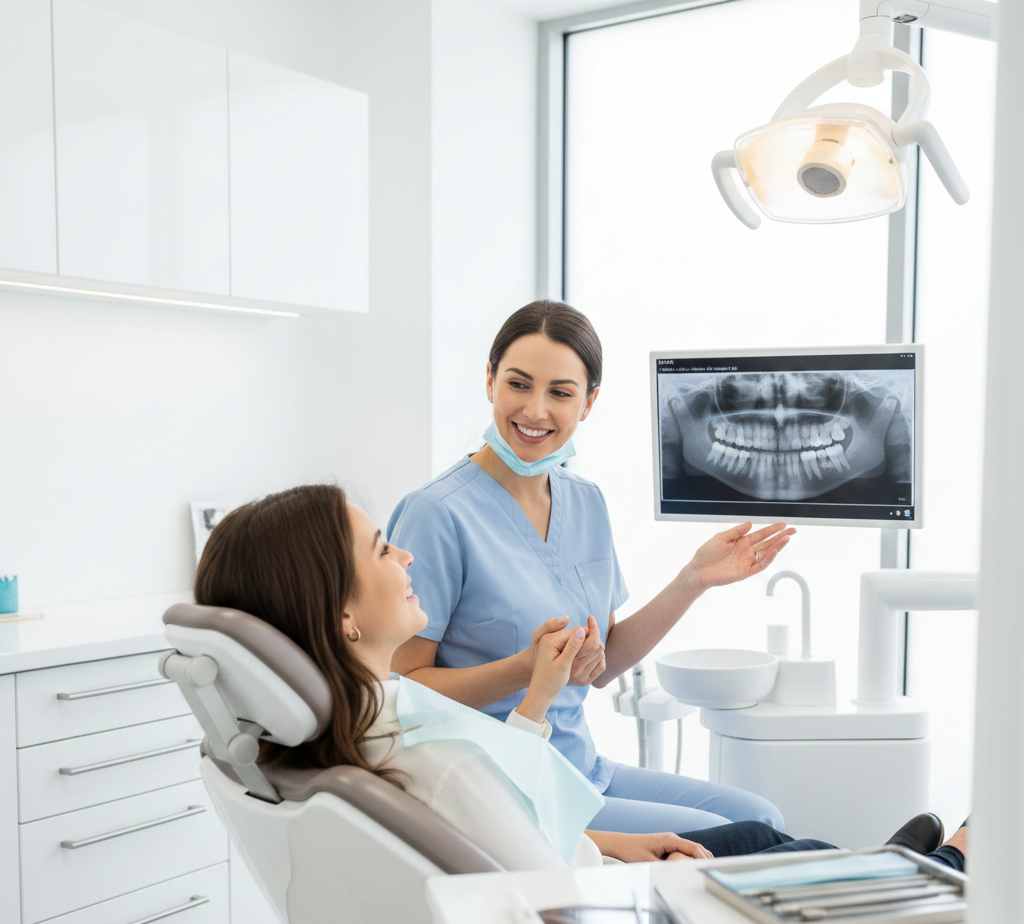
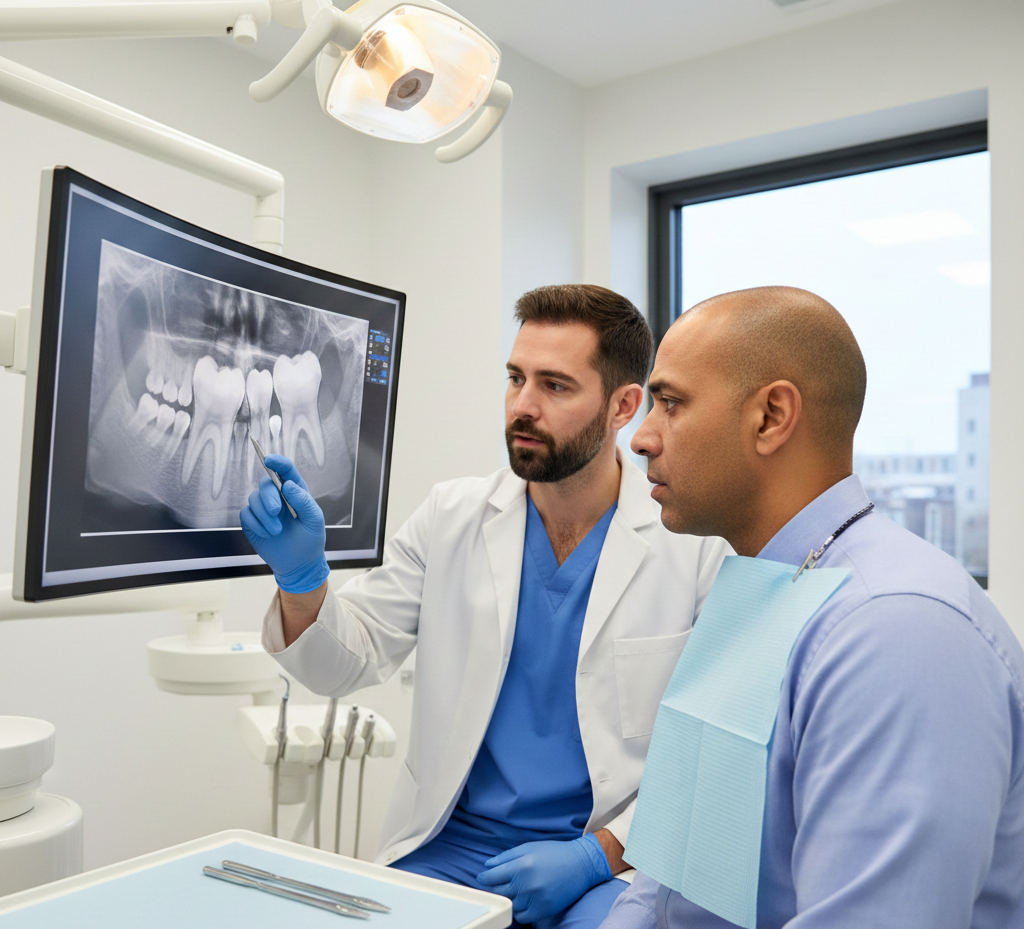
Dental imaging plays a crucial role in observing wisdom teeth. X-rays allow dentists to see positioning, root development, and surrounding bone health that cannot be assessed visually alone.
Monitoring through imaging helps evaluate:
- Tooth alignment beneath the gums
- Risk of impaction
- Proximity to nerves or sinuses
- Signs of cyst formation
- Changes over time
At Urban Dental Bensalem, PA, advanced imaging supports early diagnosis and careful treatment planning when needed.
Hygiene Challenges Around Wisdom Teeth
Even fully erupted wisdom teeth can create hygiene difficulties because of their location at the back of the mouth. Brushing and flossing these areas consistently can be challenging, especially for patients with smaller jaw space.
Common hygiene-related concerns include:
- Plaque buildup behind second molars
- Increased risk of cavities
- Gum irritation from trapped debris
- Persistent bad breath due to bacteria
Observation allows dentists to assess whether hygiene challenges are manageable or likely to cause future problems.
How Wisdom Teeth May Affect Tooth Alignment
Subtle tooth movement sometimes occurs as wisdom teeth emerge. While not every patient experiences crowding, dentists monitor alignment carefully to protect orthodontic results or natural bite balance.
Possible alignment effects include:
- Pressure on neighboring teeth
- Gradual shifting over time
- Changes in bite comfort
- Increased cleaning difficulty
Patients often appreciate knowing these risks early so they can make informed decisions.
Individual Variation Matters
Every patient’s dental anatomy is unique. Some individuals keep their wisdom teeth for life without issues, while others develop complications even when teeth initially appear normal.
Factors influencing outcomes include:
- Jaw size and tooth spacing
- Oral hygiene habits
- Genetic predisposition
- Overall gum health
- Regularity of dental visits
This variability is why personalized monitoring is more effective than a one-size-fits-all approach.
When Monitoring Leads to Preventive Action
Observation does not automatically mean removal. Instead, it allows dentists to track changes and recommend treatment only if necessary. Early preventive care often reduces the likelihood of more complex procedures later.
Situations where action may eventually be recommended include:
- Recurrent gum inflammation
- Persistent hygiene challenges
- Evidence of decay or infection
- Changes in tooth positioning
- Development of cysts or other abnormalities
Patients benefit from ongoing guidance rather than reactive treatment.
Comfort and Modern Dental Care Advances
Today’s dental techniques make wisdom tooth evaluation and management far more comfortable than in previous decades. Improved diagnostics, minimally invasive approaches, and better patient education all contribute to positive experiences.
Patients often find reassurance in:
- Clear explanations of findings
- Conservative treatment recommendations
- Predictable monitoring schedules
- Modern comfort-focused techniques
These advancements help reduce anxiety about potential future treatment.
Local Dental Support Makes Monitoring Easier
Consistent follow-up becomes simpler when care is accessible. Urban Dental is located at 1338 Bristol Pike, Bensalem, PA 19020, providing ongoing dental evaluations for patients in nearby communities including:
- Andalusia, PA 19020
- Bristol, PA 19007
- Cornwells Heights 19020
- Eddington, PA 19020
- Levittown, PA (19056, 19057)
Convenient access encourages regular checkups, which are essential for effective wisdom tooth observation.
Long-Term Benefits of Proactive Monitoring
Monitoring wisdom teeth isn’t about expecting problems-it’s about preventing them. Early detection supports healthier gums, stable tooth alignment, and better oral hygiene outcomes. Patients who maintain regular dental evaluations often avoid sudden discomfort or emergency dental visits.
Benefits of ongoing observation include:
- Early detection of potential complications
- Better preservation of surrounding teeth
- Reduced risk of infection
- Improved oral hygiene success
- Greater confidence in long-term dental health
This preventive mindset supports both oral wellness and peace of mind.
Maintaining Oral Health Between Visits
Patients play an important role in keeping wisdom teeth healthy between dental appointments. Consistent oral hygiene habits help minimize risks while dentists monitor structural changes.
Helpful daily practices include:
- Thorough brushing of back molars
- Careful flossing around difficult areas
- Staying alert to subtle changes
- Maintaining regular dental visits
- Following professional hygiene advice
Combining professional observation with good home care produces the best outcomes.
Looking Ahead with Confidence
Wisdom teeth that feel fine today may continue to remain healthy, but careful observation ensures that potential concerns are addressed early. Dentistry today emphasizes prevention, education, and individualized care rather than reactive treatment. By maintaining routine checkups and staying informed, patients can protect their smiles while avoiding unnecessary stress or discomfort.
Guidance from experienced dental professionals in Urban Dental, Bensalem helps patients make confident decisions based on current health status, future risks, and personal comfort. With consistent monitoring and proactive care, wisdom teeth can be managed thoughtfully, supporting long-term oral health and overall well-being.
FAQs
1. Do wisdom teeth always need removal if they don’t hurt?
No, many wisdom teeth simply require monitoring unless problems develop.
2. How often should wisdom teeth be checked?
Regular dental visits usually include evaluation and imaging when needed.
3. Can wisdom teeth cause problems later even if they seem fine now?
Yes, issues can develop gradually, which is why observation is recommended.
4. Are dental X-rays safe for monitoring wisdom teeth?
Modern dental X-rays use very low radiation and are considered safe.
5. What signs should prompt an earlier dental visit?
Swelling, discomfort, difficulty cleaning, or bite changes should be evaluated.